
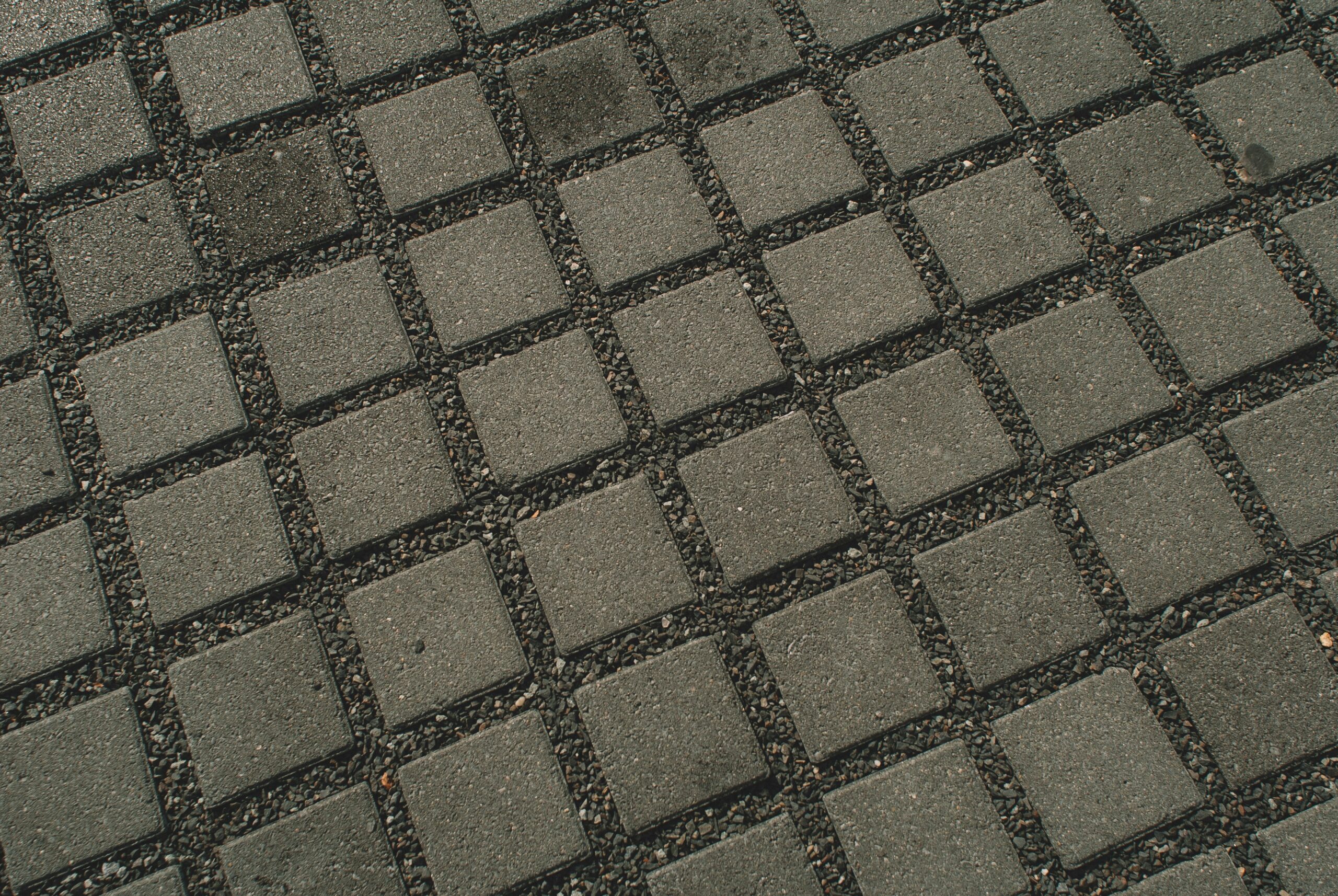
Homeowners often struggle to choose between permeable and non-permeable pavers. This decision can affect their property’s functionality and environmental footprint. Permeable pavers work by directing rainwater back into the ground, preventing water pooling and toxic runoff. These pavers require a special base of 6–8″ of ¾” open aggregate gravel to facilitate water flow.
Your driveway paver installation requires careful planning given these differences. Permeable pavers reduce flood risk and reduce pressure on municipal sewer systems. Additionally, they prevent rainwater from carrying pollutants into storm drains and protect local rivers and streams from contamination. Common paving materials such as concrete and asphalt have a much larger environmental footprint than permeable pavers. This piece explores the differences, benefits, and things to think over to help you decide.
Understanding the Basics of Pavers
Pavers play a vital role in our daily lives. They provide stable surfaces for walking and driving and improve outdoor spaces. The paver you choose can significantly affect your property’s functionality, appearance, and environmental footprint. Let’s review the key differences between permeable and non-permeable pavers to help you make an informed decision for your next project.
What are permeable pavers?
Permeable pavers are specially designed paving materials that let water pass through the surface into the ground below. These innovative systems have wider, more open joints that allow rainwater to penetrate between them and reach the base. Permeable pavers direct water back into the ground rather than forcing it to flow over and around the surface.
The permeable paver structure has a deep base of 6–8″ of ¾” open aggregate. This gravel-only foundation allows water to soak deeply into the soil and remains stable under changing weather conditions. The joints are filled with ¼” #10 aggregate that extends the base into the pavers and creates a smooth yet highly permeable surface.
What are non-permeable pavers?
Non-permeable pavers are the traditional paving option most people are familiar with. These pavers are made from a concrete-sand mixture and poured into molds to create various styles and colors. They produce smooth, hard surfaces that you can arrange in attractive patterns for patios, pool edges, and other hardscape elements.
Unlike permeable pavers, non-permeable pavers have rigid joints filled with materials such as Polymeric Sand. They allow some water to pass through their narrow joints into the soil, but the amount is nowhere near what permeable systems handle. Water runs off these surfaces instead of soaking through them, which can lead to erosion, flooding, and pollution.
Why this difference matters for homeowners
Your choice between permeable and non-permeable pavers affects everything in your property management:
- Water Management: Permeable pavers are a great solution for patios that collect water, or for driveways that slope toward your house. They reduce flood risk on your property and in nearby areas.
- Environmental Impact: Permeable systems filter pollutants from water before it reaches the ground, protecting local streams and waterways. They also help recharge groundwater, improving both the quantity and quality of available water.
- Durability and Maintenance: Permeable pavers usually last longer than conventional paving despite higher upfront costs. They don’t crack as often and need fewer repairs over time.
These differences are essential to understand before you invest. Buddha Builders can give you tailored guidance based on your property’s specific conditions. They’ll help you determine which paver system best aligns with your needs and Seattle’s climate.
Permeable Pavers vs. Non-Permeable Pavers
Permeable and non-permeable pavers differ structurally, well beyond their surface appearance. These differences affect how they work, their environmental footprint, and how well they suit different property conditions.
Base material and structure
The foundation beneath these paving systems shows their first significant difference. Permeable paver systems require deeper excavation (8-12 inches) than traditional systems (4-6 inches). A deeper base made of ¾” open aggregate creates planned void spaces. Traditional non-permeable pavers are set on a thinner base of concrete sand and gravel to prevent water infiltration. Each system’s structure determines its water handling: permeable bases function like underground water reservoirs, while traditional bases create a solid barrier.
Joint width and water flow
Surface inspection reveals permeable pavers with wider joints filled with small aggregates that connect to the base. Water flows through these openings directly into the soil below. Non-permeable pavers use narrow joints filled with polymeric sand, creating a water-resistant barrier. Premium permeable pavers handle over 1000 inches of rainwater per hour. This remarkable capacity prevents surface ponding even during heavy storms.
Environmental impact and sustainability
Permeable pavers shine from an ecological view. They reduce stormwater runoff, prevent erosion, and prevent flooding. Water flowing through the permeable system is naturally filtered, resulting in cleaner water that reaches streams and groundwater. These pavers absorb far less heat than conventional pavement. This feature helps reduce the urban heat island effect in many cities.
Installation complexity and cost
Permeable paver installation costs about 30% more than non-permeable options. Despite that, this upfront investment could save money by eliminating the need for additional drainage systems. Seattle property owners with drainage challenges should talk to Buddha Builders. They can help determine whether the higher original cost makes sense given your property’s long-term benefits.
Pros and Cons: Which Paver Type Fits Your Needs?
Your property’s specific needs and conditions will help you select the appropriate paver type. Let’s get into what makes each option work best in different situations.
Permeable pavers: benefits and drawbacks
Benefits: Permeable pavers are great at managing stormwater. They let water seep through the surface to reduce runoff and prevent flooding. These pavers naturally filter pollutants before water reaches waterways. They can capture rain where it falls and help recharge groundwater. You’ll need only 0-25% of the salt that traditional pavements require during winter.
Drawbacks: These pavers cost more upfront and require regular maintenance to function correctly. The porous nature of these pavers can make them weaker, so they are not suitable for areas with heavy traffic.
Non-permeable pavers: strengths and limitations
Strengths: Traditional pavers cost less and give you more design options. You get a smooth, durable finish that works great in high-traffic areas.
Limitations: Water runoff increases with these pavers, potentially causing drainage issues. Water can pool and cause erosion if you don’t grade them appropriately.
How climate and location affect your choice
The local climate significantly affects paver performance. Areas prone to flooding need permeable options with high porosity. Non-porous natural stones perform better in areas with freeze-thaw cycles.
Buddha Builders can provide specific advice based on your property’s condition. Reach out to us for a detailed consultation.
How to Choose the Right Paver for Your Home
Selecting the right pavers requires you to consider several property-specific factors beyond simple aesthetic priorities.
Assessing your drainage and soil conditions
You should first assess your soil’s infiltration rate and composition. Properties with clay soils need underdrain systems with permeable pavers. Permeable options work better in areas where water tends to puddle. A property assessment should include natural slopes, low spots, and existing drainage patterns.
Esthetics and design flexibility
The visual appeal plays a crucial role. Non-permeable pavers offer greater design variety and color options, making them well-suited for formal layouts. Garden paths benefit from permeable options that combine looks with functionality.
Working with a professional paver installer in Seattle
Buddha Builders’ team knows Seattle’s climate challenges well. Their expertise helps create proper base preparation and drainage solutions. This prevents installation issues that can become costly later.
Budgeting for long-term maintenance
Permeable pavers cost 15-30% more upfront than traditional options, but you may save on drainage system costs. Your budget should include maintenance like sealing every 2-3 years and vacuum cleaning twice yearly for permeable options.
Buddha Builders offers detailed consultations to provide a comprehensive view of your property’s specific conditions.
Final Thoughts
The choice between permeable and non-permeable pavers affects both your property’s functionality and the surrounding environment. Permeable options excel at water management, reduce flood risk, and filter pollutants before they reach waterways. These pavers may cost more upfront, but they can save money over time by eliminating the need for additional drainage systems.
Non-permeable pavers offer greater design flexibility and lower upfront costs. However, they generate more runoff and often require additional drainage solutions, particularly for properties that already face water management challenges.
Several factors should shape this vital decision. Your property’s soil makeup, drainage patterns, climate conditions, and design priorities all determine which paver system works best for your home.
Making the correct choice today prevents problems from becoming costly down the road. Buddha Builders can help you through these complex decisions with a tailored consultation. Their knowledge of Seattle’s unique climate conditions will provide guidance tailored to your property’s needs. This collaborative approach helps you make a sound investment that fits your current budget while ensuring long-term performance and environmental responsibility.